Gyms: A Complete Guide to Fitness, Health, and Lifestyle Transformation
Gyms have evolved into far more than rooms filled with weights and machines. Today, they represent wellness hubs where people focus on physical strength, mental clarity, discipline, and long-term health. Whether you are a beginner or a seasoned athlete, gyms offer structured environments that support consistent progress and motivation.
What Is a Gym?
A gym is a dedicated fitness facility equipped with exercise machines, free weights, and open spaces designed for various types of physical training. Modern gyms often include additional services such as personal coaching, group classes, nutrition guidance, and recovery zones.
Gyms cater to different fitness goals, including weight loss, muscle building, endurance improvement, flexibility, and stress management.
Types of Gyms Available Today
Not all gyms are the same. Understanding the different types can help you choose one that aligns with your fitness objectives.
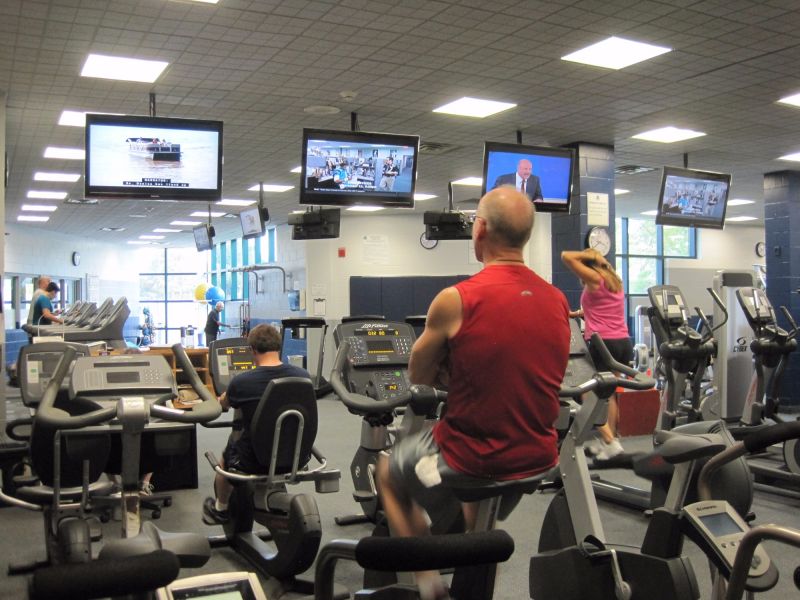
Commercial Gyms
These are large facilities open to the general public and usually offer:
-
Cardio and strength equipment
-
Group fitness classes
-
Locker rooms and showers
-
Extended operating hours
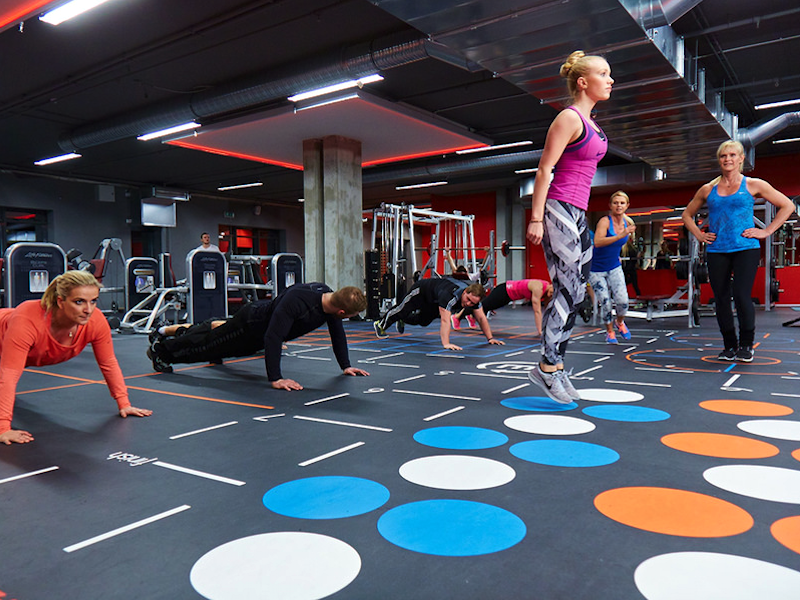
Boutique Fitness Studios
Smaller and more specialized, these gyms focus on specific workouts such as:
-
HIIT training
-
Yoga or Pilates
-
Spin or cycling classes
-
Functional training
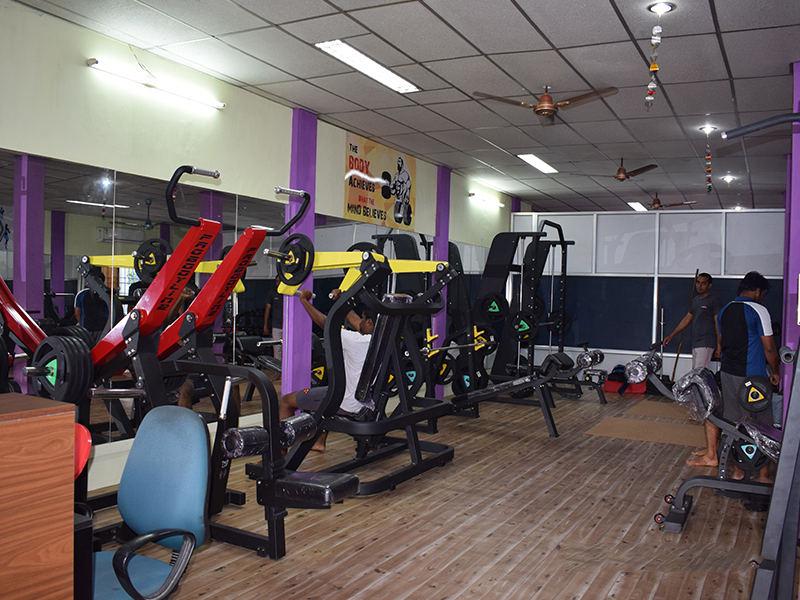
Hardcore or Bodybuilding Gyms
Designed for advanced lifters and athletes, these gyms emphasize:
-
Heavy free weights
-
Powerlifting and bodybuilding equipment
-
Minimal distractions
Home and Private Gyms
Ideal for convenience and privacy, home gyms are customized spaces that allow individuals to train on their own schedules.
Benefits of Going to the Gym
Regular gym attendance offers both physical and mental advantages that extend into everyday life.
-
Improved strength and endurance through structured workouts
-
Better cardiovascular health from consistent cardio training
-
Weight management and improved metabolism
-
Mental health benefits, including reduced stress and anxiety
-
Increased discipline and confidence from achieving fitness goals
Essential Equipment Found in Gyms
Gyms are equipped with tools that target different muscle groups and fitness components.
Strength Training Equipment
-
Dumbbells and barbells
-
Power racks and benches
-
Resistance machines
Cardio Machines
-
Treadmills
-
Stationary bikes
-
Ellipticals and rowers
Functional and Mobility Tools
-
Kettlebells
-
Resistance bands
-
Medicine balls and foam rollers
How to Choose the Right Gym
Selecting the right gym plays a major role in maintaining consistency.
Consider the following factors:
-
Location and accessibility
-
Cleanliness and maintenance
-
Availability of equipment during peak hours
-
Qualified trainers and staff
-
Membership cost and flexibility
A gym that fits your lifestyle is more likely to become part of your routine.
Gym Etiquette Everyone Should Follow
Respecting gym etiquette ensures a positive environment for everyone.
-
Wipe down equipment after use
-
Re-rack weights properly
-
Avoid excessive phone use on machines
-
Respect personal space
-
Follow facility rules and time limits
Good etiquette reflects discipline and consideration for others.
The Role of Consistency in Gym Results
Going to the gym occasionally brings limited results. Consistency is the key factor behind visible progress. Establishing a realistic workout schedule, tracking improvements, and gradually increasing intensity helps build sustainable habits rather than short-term motivation.
Gyms and Mental Well-Being
Exercise performed in gyms stimulates the release of endorphins, often called “feel-good hormones.” This leads to:
-
Improved mood
-
Better sleep quality
-
Increased focus and productivity
-
Reduced symptoms of depression
For many people, the gym becomes a form of therapy as much as a physical outlet.
Frequently Asked Questions (FAQs)
How many days a week should I go to the gym?
Most people benefit from 3–5 gym sessions per week, depending on fitness level and goals.
Is it better to work out in the morning or evening?
The best time is when you can stay consistent. Both morning and evening workouts offer similar benefits.
Do I need a personal trainer at the gym?
A trainer can be helpful for beginners or those with specific goals, but it is not mandatory for everyone.
Can gyms help with weight loss?
Yes, gyms support weight loss through structured workouts, calorie-burning exercises, and strength training.
How long does it take to see gym results?
Visible changes typically appear within 4–8 weeks, depending on diet, consistency, and workout intensity.
Are gyms safe for beginners?
Most gyms are beginner-friendly, especially those offering orientation sessions and guided programs.
What should I bring to the gym?
Essential items include comfortable workout clothes, proper shoes, a water bottle, and a towel.