How Private Yoga Classes Singapore Can Convert General Goals into Measurable Movement Tasks
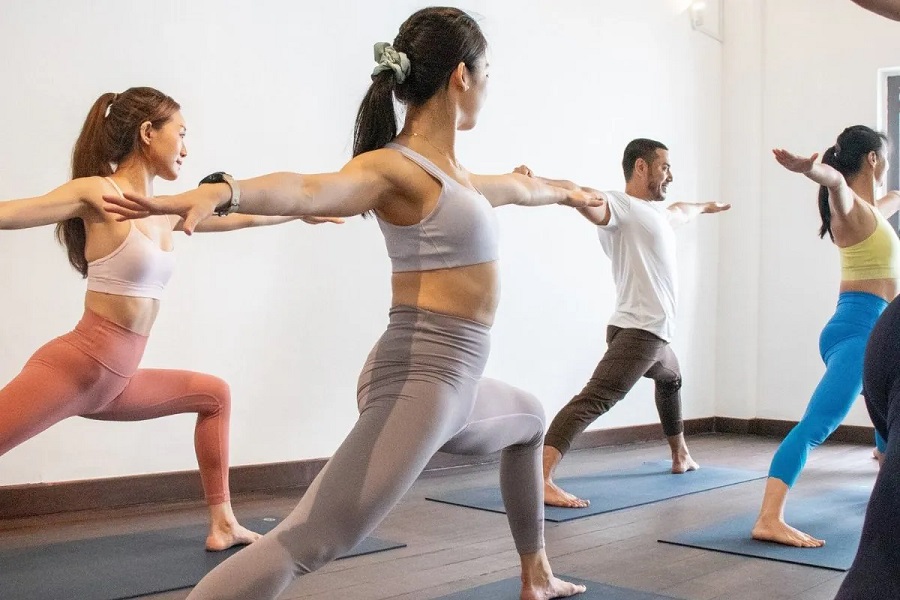
Goals such as improving flexibility, reducing stiffness or becoming stronger sound useful, but they are too broad to guide a personalised programme. Through private yoga classes singapore, these general intentions can be translated into specific movement tasks that an instructor and participant can observe, practise and review.
The purpose is not to turn yoga into a laboratory test. Simple measurements can clarify what the participant wants to change and prevent every session from becoming an unrelated collection of poses.
Start With the Activity Behind the Goal
A person who says they want greater flexibility may actually want to sit comfortably on the floor, reach overhead without strain or move more easily after working at a desk. These outcomes require different movement strategies.
Likewise, someone seeking better balance may be preparing for a hiking trip, improving confidence after a period of inactivity or trying to control single-leg positions during sport.
The instructor should ask what the goal would allow the participant to do. This converts an abstract quality into a practical activity.
Instead of “improve flexibility,” the working goal could become “reach the floor comfortably with bent knees while maintaining steady breathing.” Instead of “build core strength,” it could become “move one leg while keeping the trunk controlled.”
Establish a Relevant Baseline
A baseline should reflect the intended task rather than test every possible movement. Too many assessments consume session time and create data that may never be used.
A practical baseline might examine:
- Comfortable range rather than maximum range.
- Ability to enter and exit a position.
- Breathing during manageable effort.
- Left-to-right consistency.
- Use of external support.
- Number of controlled repetitions.
- Response to a short hold.
- Symptoms during and after the task.
The participant’s description matters as much as the visible result. A movement may appear stable while feeling painful or uncertain.
Video or photographs may help in selected cases, but only with informed consent and a clear purpose.
Define the Quality Standard
Counting repetitions is only useful when a repetition has a consistent standard.
For a controlled leg movement, the standard might require the pelvis to remain steady, breathing to continue and the range to stay free from pain. The set ends when one of those conditions changes.
For a balance task, the measure may involve maintaining light support rather than removing support entirely. Progress could mean using less hand pressure or recovering more calmly after a small loss of balance.
This approach rewards movement quality rather than performance at any cost.
Break the Goal Into Smaller Tasks
A broad goal usually depends on several capacities. Reaching overhead comfortably, for example, may involve shoulder movement, upper-back mobility, trunk control and breathing.
The programme can separate these elements before combining them.
A useful progression might involve:
- Exploring comfortable shoulder range while lying down.
- Moving the arms while maintaining a manageable rib position.
- Repeating the movement in sitting or standing.
- Adding a light balance or lower-body demand.
- Applying the control to an activity relevant to the participant.
Breaking the goal down makes it easier to identify what changes and where the participant still needs support.
Use Measurements That Fit the Person
Not every participant needs angles, wearable data or formal scoring. The best measure is one the person understands and can repeat.
Simple options include:
- Distance from the hand to a support.
- Height of a block used.
- Length of a comfortable hold.
- Number of controlled repetitions.
- Level of hand support.
- Perceived effort from one to ten.
- Confidence performing the task independently.
- Recovery later that day.
The measure should not encourage someone to ignore pain or force greater range. It exists to inform the programme, not to create another competition.
Review the Goal at Planned Intervals
Testing the same task every session can interrupt learning and exaggerate normal day-to-day variation. A participant may perform differently because of sleep, work stress or recent exercise.
A review after several sessions provides a more useful comparison. The instructor can repeat the baseline task under similar conditions and examine what changed.
Progress may appear as smoother breathing or lower effort even when range remains similar. These improvements should be recorded rather than overlooked.
If the task has not changed, the programme can be adjusted. The original measure may also turn out to be irrelevant to what the participant now values.
Connect Sessions With Independent Practice
Private instruction becomes more useful when the participant understands what to practise between appointments. The home plan should be short enough to complete consistently.
Two or three exercises linked directly to the goal are usually more practical than a long routine. The instructor can specify:
- Which exercises to perform.
- How often to practise.
- What level of effort to use.
- When to stop.
- What observations to record.
- Which symptoms require professional advice.
Independent practice should reinforce familiar movements rather than introduce complex positions without supervision.
Recognise the Limits of Yoga Instruction
A measurable programme does not turn a yoga instructor into a clinician. Persistent pain, unexplained weakness, neurological symptoms or significant changes in function may require assessment by an appropriate healthcare professional.
Private yoga can then complement clinical care when roles and recommendations are clear. The instructor should avoid diagnosing conditions or promising guaranteed rehabilitation outcomes.
Measurements are useful only when they remain within the instructor’s professional scope.
Make Progress Relevant to Daily Life
At Yoga Edition, a one-to-one session can begin with the participant’s schedule, movement history and practical priorities. This makes it possible to select a small number of meaningful tasks instead of chasing general flexibility or strength.
For a Singapore professional, progress might mean standing comfortably after long meetings, managing movement after frequent flights or preparing for recreational sport. These outcomes matter more than producing an idealised pose.
Private yoga becomes genuinely personalised when goals guide assessment, exercise selection and review. Converting broad intentions into observable tasks gives both participant and instructor a clear reason for each session while allowing the programme to change as real needs evolve.