Why Classical Dance Forms Like Kathak Are Essential for Cultural Learning?
Dancing is an excellent way to keep your little ones engaged and away from television and phones. However, classical dancing is more than just a normal performance – it offers a learning experience that extends beyond the classroom.
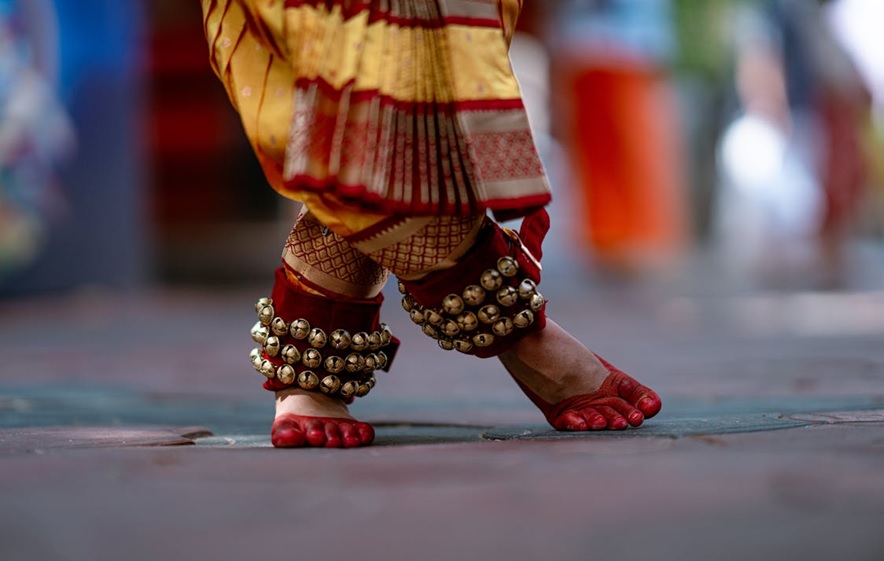
Introducing kids to such a beautiful and rhythmic art form by showing them Kathak images is a wonderful way to connect them with their heritage. Children can develop both physically and mentally, while staying connected to their roots.
Let’s explore how kids can receive knowledge about their culture and history from Kathak while learning discipline and grace.
Benefits of Learning Kathak for Cultural Development and Holistic Learning
Preservation of Heritage
Kids learn Kathak and carry forward its beautiful footwork, graceful movements, and expressive storytelling. By performing this ancient art form, children can preserve one of India’s oldest dancing styles for future generations.
Historical Education
Kathak has evolved and transformed with India’s history, from temple performances by storytellers to the elegant Mughal court dances. Kathak images and videos encourage kids to learn about this journey and how their culture and traditions evolved.
Storytelling Skills
Storytelling forms the essence of Kathak. Kids use facial expressions and hand gestures to bring myths and legends to life. It helps them express emotions clearly, build confidence, and become better communicators through movement and feeling.
Understanding Values and Philosophy
Most Kathak performances feature stories of devotion, spirituality, and the bond between people and the divine figures. Such themes enable kids to gain knowledge about various moral and spiritual concepts, enhancing their capacity for reflection, inner calm, and respect for traditional Indian values.
Non-Verbal Communication
By performing Kathak, dancers can express themselves through body language, eye movements, and gestures made by their hands and feet. Without speaking anything, they can convey a wide range of emotions and stories. This ability makes them more aware, expressive, and sensitive to non-verbal communication in daily life.
Appreciation of Music
Music is an essential part of Kathak. Children learn to move in rhythm with instruments like the tabla and sitar. This deep connection with beat and melody sharpens their listening skills and helps them develop a natural sense of timing and coordination.
Regional Identity and Diversity
Although Kathak is a single dance form, it has several styles, known as gharanas, that are influenced by its region’s culture and history. Kids can appreciate this diversity and its influence on creative art by seeing Kathak images of such gharanas.
Discipline and Perseverance
Kids need hard work, discipline, and patience to learn Kathak perfectly. By practicing such detailed, choreographed movements regularly, kids develop focus, resilience, and time management skills. Gradually, they learn that dedication and steady effort lead to perfection, applicable in life as well.
Memory and Focus
Performing Kathak is a mental challenge. Remembering long, rhythmic patterns, emotions, and cues simultaneously enhances memory and focus. Balancing movement, rhythm, and feeling enhances overall concentration, helping students stay calm and focused in other activities as well.
Social Skills and Teamwork
By performing in pairs or groups, children have to match choreography and timing. It promotes coordination with one another and mutual trust, enabling them to learn about teamwork and cooperation, which are valuable skills in life as well.
Emotional Intelligence
While dancing Kathak, children experience a wide range of emotions and learn how to express them. This emotional awareness fosters empathy and provides a safe space for individuals to explore and understand their own feelings.
Physical and Mental Well-being
Kathak keeps the body fit and the mind relaxed. The energetic steps improve strength, flexibility, and posture, while its rhythmic flow calms the mind. Dancing regularly helps reduce stress and creates a deep sense of balance and happiness.
Platform for Cultural Exchange
Kathak performances at events organised abroad offer an excellent platform for cultural exchange. You can share your rich heritage with global audiences by dancing and expressing yourself. Kids can appreciate their traditions and age-old artistry by seeing Kathak images and videos.
Continuity and Adaptation
Even as it honors its past, Kathak continues to grow. By combining traditional choreography with contemporary dance forms, kids can create fusion styles that remove the boredom of repeating the same choreography and make Kathak exciting, refreshing, and relevant.
Conclusion
Involving children in classical dances like Kathak educates them culturally and develops their personality. It gives them a strong, lifelong connection to art, history, and their own expressive power.