Fitness Trainer: Your Guide to a Stronger, Healthier Lifestyle

A fitness trainer plays a vital role in helping individuals improve their physical health, build strength, and develop sustainable exercise habits. More than just workout instructors, fitness trainers act as motivators, educators, and accountability partners on the journey toward better well-being.
Who Is a Fitness Trainer?
A fitness trainer is a trained professional who designs and supervises exercise programs tailored to an individual’s goals, fitness level, and physical condition. Their work extends beyond the gym, often including lifestyle guidance, injury prevention strategies, and performance improvement techniques.
Key Responsibilities of a Fitness Trainer
Fitness trainers perform a wide range of tasks to ensure safe and effective progress for their clients.
Core responsibilities include:
-
Assessing fitness levels through physical evaluations
-
Creating personalized workout plans
-
Demonstrating correct exercise techniques
-
Monitoring progress and adjusting routines
-
Providing motivation and accountability
-
Educating clients on proper recovery and injury prevention
Types of Fitness Trainers
Fitness training is a broad field, and professionals often specialize in specific areas.
Personal Fitness Trainer
Works one-on-one with clients, focusing on customized programs and individualized attention.
Group Fitness Trainer
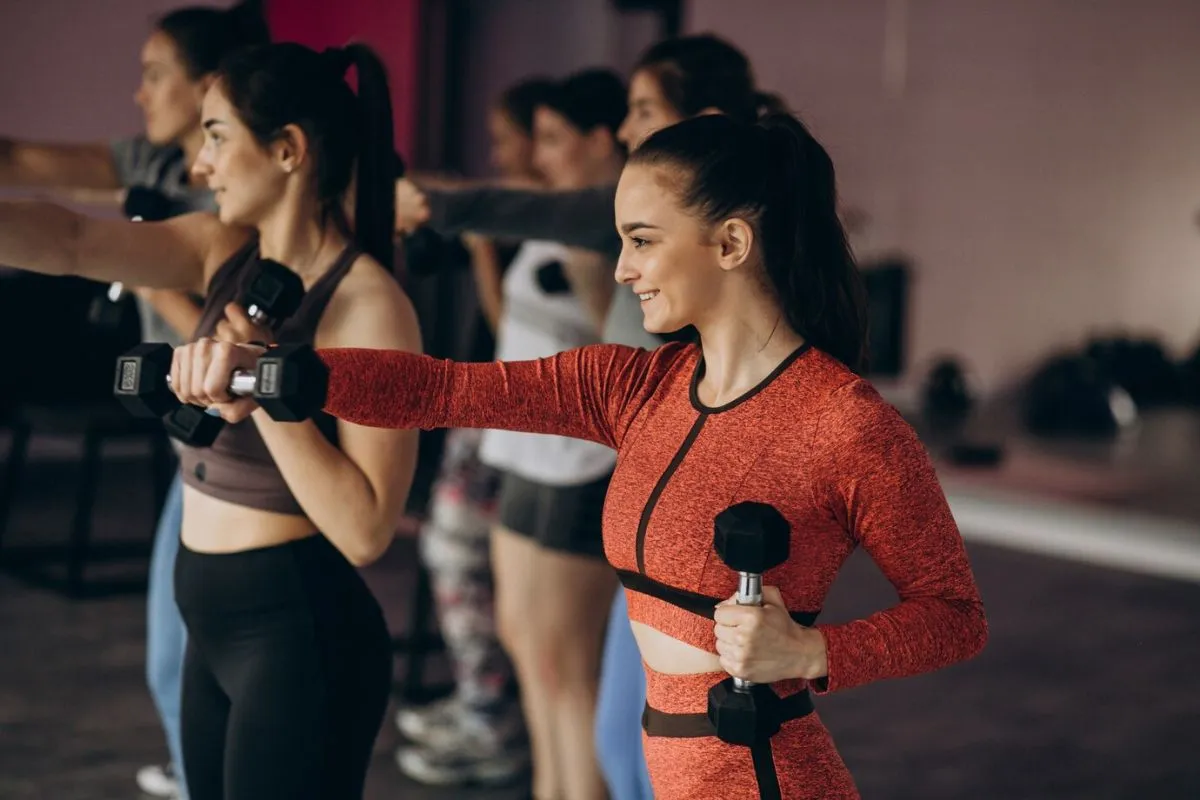
Leads group classes such as HIIT, yoga, spin, or aerobics, emphasizing energy and group motivation.
Strength and Conditioning Trainer
Specializes in building strength, power, and athletic performance, often working with athletes.
Online Fitness Coach
Delivers training programs remotely through video sessions, apps, or recorded workouts.
Skills That Define an Effective Fitness Trainer
A successful fitness trainer combines technical knowledge with strong interpersonal skills.
Essential skills include:
-
Deep understanding of human anatomy and exercise science
-
Clear communication and instruction
-
Adaptability to different fitness levels
-
Strong motivational abilities
-
Patience and empathy
-
Commitment to ongoing education
Benefits of Working With a Fitness Trainer
Hiring a fitness trainer can significantly enhance workout effectiveness and long-term consistency.
Key benefits:
-
Structured and goal-oriented training plans
-
Reduced risk of injury through proper form
-
Faster and more sustainable results
-
Increased motivation and accountability
-
Personalized guidance based on progress and limitations
Certifications and Qualifications
Professional fitness trainers typically hold certifications from recognized fitness organizations. These certifications ensure trainers understand safety standards, program design, and ethical practices. Many trainers also pursue continuing education to stay updated with evolving fitness research.
How to Choose the Right Fitness Trainer
Selecting the right trainer is essential for achieving desired outcomes.
Consider the following factors:
-
Relevant certifications and education
-
Experience with similar goals or conditions
-
Communication style and personality fit
-
Availability and training format (in-person or online)
-
Client testimonials or reviews
The Future of Fitness Training
The fitness industry continues to evolve with technology-driven training, wearable fitness devices, and virtual coaching platforms. Modern fitness trainers are increasingly blending traditional methods with data-driven insights to deliver more personalized and efficient results.
Frequently Asked Questions (FAQ)
1. How often should I train with a fitness trainer?
Most people benefit from 2–3 sessions per week, depending on goals and fitness level.
2. Can a fitness trainer help with weight loss?
Yes, fitness trainers design workouts that support fat loss while improving strength and endurance.
3. Is a fitness trainer suitable for beginners?
Absolutely. Trainers are especially valuable for beginners who need guidance on proper form and routine structure.
4. Do fitness trainers provide nutrition advice?
Many trainers offer general nutrition guidance, but detailed meal planning may require a certified nutrition professional.
5. How long does it take to see results with a fitness trainer?
Visible improvements often appear within 4–8 weeks when training is consistent and paired with healthy habits.
6. Are online fitness trainers effective?
Yes, online training can be highly effective when programs are personalized and communication is consistent.
7. What should I bring to my first session with a fitness trainer?
Comfortable workout clothes, supportive footwear, water, and a clear idea of your fitness goals are ideal.