
Dr. Larry Davidson on When a More Traditional Spine Procedure Makes Sense
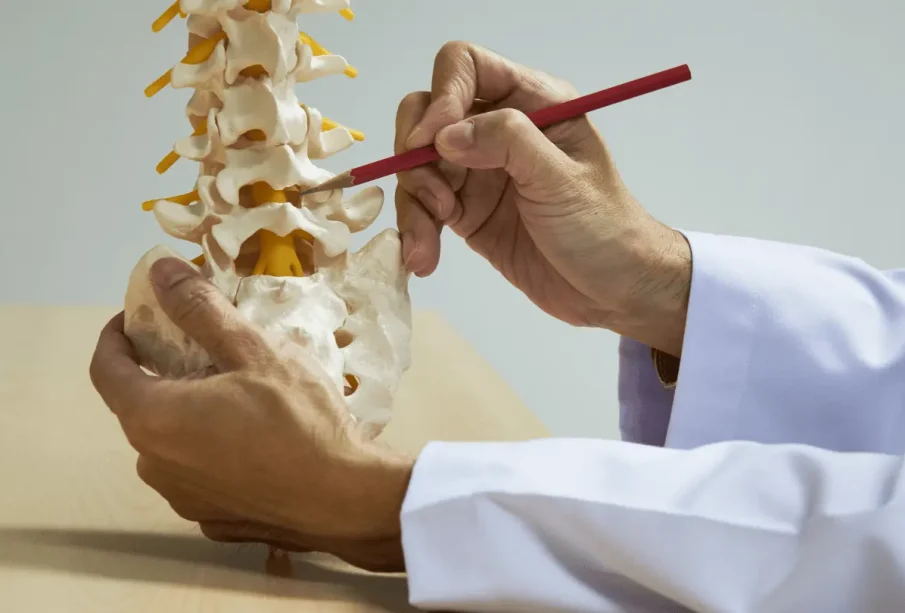
Minimally invasive spine surgery has helped many patients think differently about surgical treatment, especially when a smaller incision and less tissue disruption are possible. Dr. Larry Davidson recognizes that this progress is valuable, but it does not make a smaller approach the right answer for every spine condition. Certain cases require a traditional spine procedure because the anatomy, diagnosis or stability problem calls for broader access.
That distinction matters for patient education. A traditional procedure is not a fallback in the negative sense. It can be the more appropriate route when the surgeon needs wider visibility, more room to decompress nerves, a more complex reconstruction or stronger access for implants and alignment work.
Why Surgical Access Has To Fit The Condition
Spine surgery starts with a practical question: What problem needs to be treated, and what route gives the surgeon the safest and most effective access to that problem? A small incision can be useful when the target is focused, and the anatomy allows the surgeon to reach it through a limited corridor. A broader approach can be more appropriate when the condition affects several levels, involves deformity or requires extensive stabilization.
Patients can misunderstand this point because the word “minimally” can sound better automatically. A smaller incision may support less muscle disruption in selected cases, but incision size does not define the entire procedure. The surgeon still has to protect nerves, work around bone and soft tissue, address the true source of compression or instability, and account for the patient’s health history.
Imaging Helps Show The Real Scope Of The Problem
MRI, CT scans, X-rays, and other studies help the surgeon understand more than the location of pain. Imaging can show nerve compression, disc changes, spinal canal narrowing, fracture patterns, alignment, hardware from prior surgery and the relationship between the spine and nearby structures. Those findings often shape whether a limited route is reasonable or whether a wider exposure is needed.
Imaging helps the surgeon see the anatomy, but it does not tell the whole story. Symptoms, physical exam findings and medical history need to fit what the scan shows. A patient with leg weakness, numbness or walking limits from severe stenosis often needs a different discussion than someone with a small disc herniation at one level. The right approach depends on how the surgeon weighs the full clinical picture.
Some Conditions Need A Wider View
A traditional spine procedure may be needed when the surgeon has to address a larger or more complex area. Examples can include severe spinal stenosis, significant deformity, major instability, certain fractures, tumors, infections, complex revision surgery or problems involving several spinal levels. In those situations, broader access can help the surgeon see the anatomy more directly and work with enough space to treat the problem.
Wider access can also matter when alignment is part of the goal. A patient with a spinal curve, slippage between vertebrae or a collapsed disc space may need planning that goes beyond removing a small amount of tissue. The surgeon may need to restore space, place hardware, prepare bone surfaces for fusion, or correct an imbalance that affects how the spine carries weight.
Patient Selection Protects The Purpose Of Surgery
Minimally invasive care depends on patient selection. That means the surgeon weighs the diagnosis, anatomy, symptoms, medical risks and goals before recommending a route. A procedure that works well for one patient can be a poor fit for another patient with a different pattern of compression, bone quality, scar tissue or instability.
This is where balanced education becomes important. Patients should not feel that they failed to qualify for a better option if a traditional approach is recommended. A broader procedure may be selected because it gives the surgeon the access needed to treat the condition with the right level of control. The focus should stay on fit, not on the size of the incision alone.
Prior Surgery Can Affect The Surgical Approach
A history of spine surgery can change how a new procedure is planned. Scar tissue, altered anatomy or existing hardware may make it harder to reach the affected area through a very limited route. The surgeon has to consider how to protect nerves, identify stable tissue planes and decide whether old hardware or changed spinal alignment affects the safest approach.
This does not mean every patient with prior spine surgery needs a traditional procedure. It means the decision depends on what changed after the earlier operation, what symptoms are present now, and what the imaging shows. For some patients, a broader approach gives the surgeon better access to evaluate the anatomy and address the problem in a controlled way.
Stability May Require More Than Decompression
Some spine procedures focus mainly on decompression, which means relieving pressure on a nerve or the spinal cord. Other procedures also need stabilization, especially when bones, discs or joints are not supporting the spine properly. If too much bone must be removed to free a nerve, or if the spine is already unstable, the surgeon may discuss fusion or another stabilization method.
Stabilization can involve screws, rods, cages, bone graft material or other tools chosen for the patient’s anatomy and condition. Those details are not cosmetic. They affect surgical access, recovery expectations, follow-up imaging, and activity restrictions. A broader approach can give the surgeon the room needed to place hardware, check alignment and address the structural problem directly.
A Traditional Approach Still Requires Careful Recovery Planning
A broader procedure often brings different recovery needs than a smaller access operation. Patients sometimes need more help at home, a longer hospital stay, closer wound monitoring, more activity restrictions or a more detailed follow-up schedule. The exact recovery path depends on the procedure, diagnosis, overall health and the surgeon’s instructions.
Recovery planning should include practical details before surgery. Patients can ask about transportation, medication review, walking guidance, lifting limits, bathing restrictions, sleep position, return to work and follow-up timing. Those questions help connect the surgical recommendation to the daily routines that matter once the patient leaves the facility.
How Patients Can Talk Through The Recommendation
A patient who hears that a traditional procedure may be needed should ask for the reasoning in plain language. Useful questions include which part of the anatomy needs broader access, whether several levels are involved, whether instability is present and how the approach affects recovery planning. The goal is to understand the clinical reason behind the recommendation, not to compare procedures by incision length alone.
For Dr. Larry Davidson, experience has shown that patient education belongs in this conversation because it helps people understand the diagnosis, the recommended approach and the recovery needs that may follow. A patient who understands why a broader route is being discussed can ask better questions about benefits, limits, risks and daily life after surgery. That understanding can make the decision process more grounded and less driven by assumptions about procedure size.
Balanced Planning Builds Trust
Credible spine care does not oversell any surgical route. Minimally invasive techniques can be helpful in selected cases, and traditional procedures remain important when the condition requires wider exposure or more complex work. The strongest recommendation is the one that matches the patient’s anatomy, symptoms, health history and goals of care.
A traditional spine procedure can sound more intimidating, but the reason for choosing it may be thoughtful and specific. The surgeon may need a broader view, a more controlled working corridor, stronger access for stabilization or a better way to manage complexity. Patients should expect a clear explanation of why that route fits their condition and what recovery needs should be planned in advance.
A Clearer Way To Understand Surgical Choice
The value of surgical planning is that it keeps the procedure tied to the person in front of the surgeon. Smaller incisions can support recovery in certain cases, but a traditional approach may be more appropriate when anatomy, instability, or complexity make limited access less practical. The size of the incision should never be treated as the only measure of quality.
Dr. Larry Davidson has always encouraged a patient-centered approach that keeps the discussion focused on fit, safety, realistic expectations and clear communication. Patients considering spine surgery should ask why a specific route is recommended, what the surgeon needs to see or correct, and how the decision affects recovery planning. A balanced conversation gives patients a clearer way to understand when a traditional spine procedure may be needed.