
The Yoga Wheel as a Prop for Advanced Asana: Unlocking Peak Poses Safely
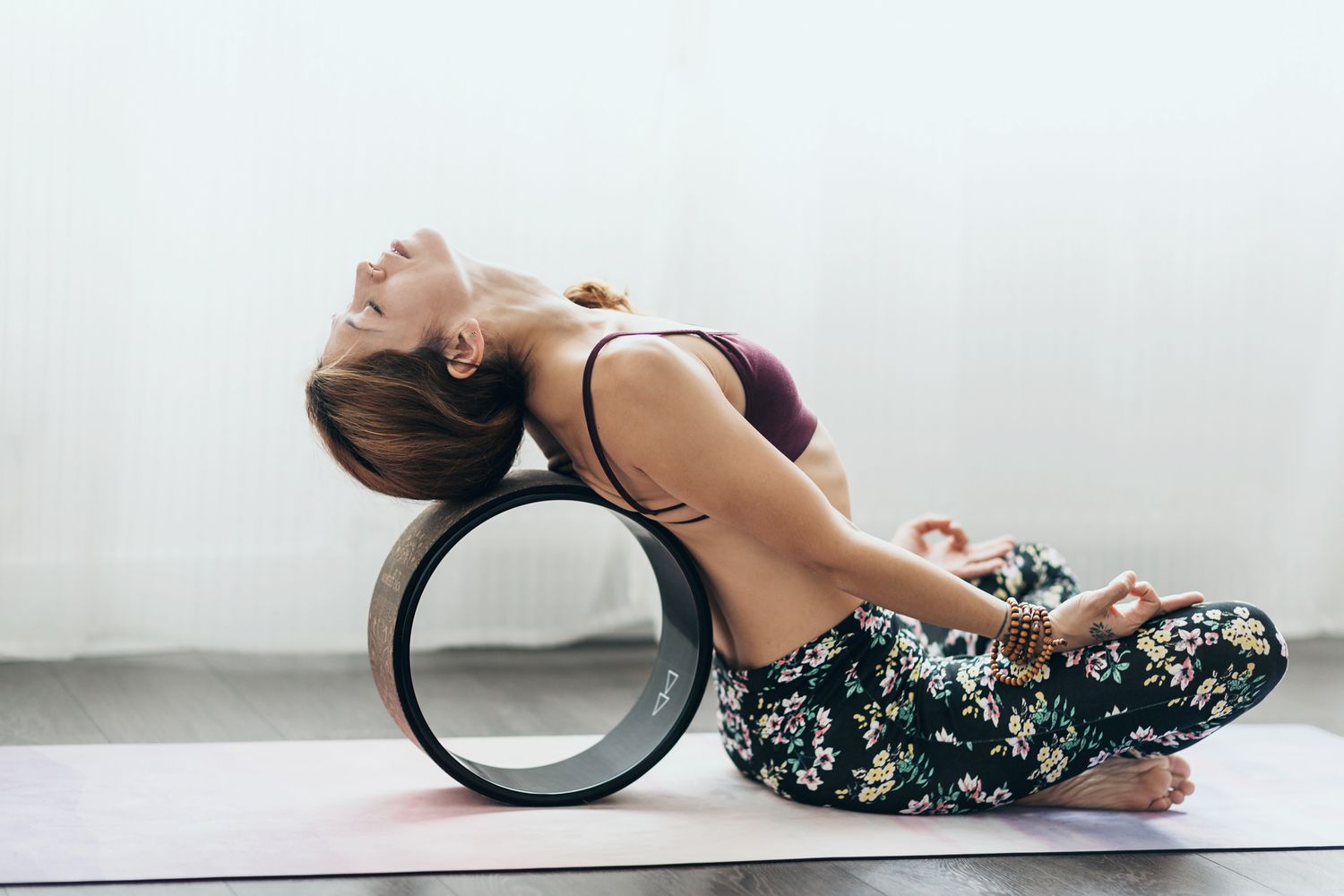
For dedicated practitioners in Singapore’s growing yoga community, progression often means pushing physical boundaries mindfully. Deep backbends, inversions, and balancing poses demand not only strength but also precision and awareness. The yoga wheel has emerged as an essential tool for those seeking to explore advanced asanas safely. By combining flexibility, control, and support, the wheel helps practitioners unlock challenging poses while protecting the spine and joints from overexertion.
The Modern Role of the Yoga Wheel in Advanced Practice
Originally designed as a prop to assist with backbends, the yoga wheel has evolved into a multi-functional aid that enhances alignment and balance. In advanced yoga, it bridges the gap between flexibility and strength by allowing practitioners to explore their full range of motion safely.
Unlike static props, the wheel encourages dynamic engagement. It moves with the practitioner, offering both support and challenge. In Singapore, where yoga classes attract practitioners of diverse levels, the wheel has become popular in workshops focused on deepening postures and refining technique.
Understanding Advanced Asanas and Their Demands
Advanced poses are those that require mastery over strength, flexibility, breath, and focus. Examples include:
- Eka Pada Rajakapotasana (King Pigeon Pose) – demanding hip flexibility and an open chest.
- Natarajasana (Lord of the Dance Pose) – balancing strength and deep backbending.
- Kapotasana (Pigeon Bow Pose) – requiring advanced spinal mobility.
- Scorpion Pose (Vrschikasana) – blending balance, strength, and control.
These poses are not about pushing limits recklessly. Instead, they are about cultivating deep body awareness. The yoga wheel provides the necessary structure to progress into such postures safely.
Building Confidence Through Controlled Backbends
Backbends are among the most challenging poses in yoga because they involve opening the front body while strengthening the back. Without adequate support, deep bends can strain the spine or shoulders. The yoga wheel acts as a stabilising surface that distributes pressure evenly and guides the body into proper alignment.
Key benefits for backbend training:
- Supports the lumbar spine to prevent compression.
- Allows gradual deepening of flexibility.
- Builds shoulder and chest openness without discomfort.
- Encourages awareness of spinal articulation.
Example sequence for advanced backbends:
- Wheel-Assisted Bridge Pose: Begin lying down with the wheel under your sacrum. Engage your glutes and lift your hips to experience spinal traction.
- Supported Camel Pose: Kneel with the wheel behind your back. As you lean back, rest your hands on the wheel, allowing a controlled arch.
- King Pigeon Preparation: Place the wheel under the front thigh or shin for lift and stability while working towards the full pose.
By practising these with intention, advanced practitioners can open their hearts and shoulders while maintaining spinal safety.
Deepening Hip and Shoulder Flexibility
In advanced asanas, the hips and shoulders play a crucial role in creating space for movement. The yoga wheel aids in this by helping isolate specific muscle groups for deeper, safer stretching.
For the hips:
- Lizard Pose Variation: Rest your forearms on the wheel to lengthen the hip flexors and release tension.
- Wheel-Assisted Splits: Place the wheel under the front thigh to balance your hips while deepening flexibility.
For the shoulders:
- Reverse Namaste Wheel Roll: Hold the wheel behind your back and roll your arms slowly upwards to increase shoulder mobility.
- Supported Dolphin Pose: Place your forearms on the wheel and roll forward slightly to strengthen the shoulders and prepare for forearm stands.
These drills build endurance and range of motion gradually, making it easier to transition into advanced poses that demand joint openness.
Enhancing Balance and Core Control
The yoga wheel’s curved design challenges balance naturally. When incorporated into practice, it trains the core stabilisers, improves focus, and enhances proprioception. These qualities are crucial for inversions and arm balances.
Useful exercises for balance and strength:
- Plank on the Wheel: Place your hands or feet on the wheel while holding a plank to strengthen stabilising muscles.
- Forearm Balance Prep: Position your forearms on the wheel to simulate the engagement required for Pincha Mayurasana.
- Crow Pose Progression: Use the wheel under the forehead or feet to build confidence before attempting the full lift.
These dynamic drills develop the mental and physical steadiness required for advanced postures, making them excellent supplements to a regular practice routine.
Transitioning into Inversions Safely
Inversions like Handstand, Forearm Stand, and Scorpion Pose are often seen as milestones in yoga. They challenge practitioners to balance strength, focus, and surrender simultaneously. The yoga wheel acts as a transition tool, helping students overcome fear and find alignment while inverted.
Safe progressions include:
- Supported Headstand: Place the crown of your head on the mat with your forearms on the wheel for added control.
- Wheel-Assisted Handstand Kick-Up: Hold the wheel between your hands to engage your shoulders and reduce wrist pressure.
- Scorpion Preparation: Use the wheel under your chest while working on controlled backbending from a forearm balance position.
These variations allow practitioners to explore inversions without the risk of falling or overloading the spine.
Preventing Injury and Overexertion
A common misconception about advanced yoga is that it must involve pain or extreme flexibility. In reality, mastery involves stability and subtle control. The yoga wheel promotes both by guiding proper form and preventing muscle overuse.
Safety principles to follow:
- Warm up thoroughly before attempting any deep pose.
- Move slowly, maintaining control at every stage.
- Focus on breath coordination to prevent tension.
- Never force yourself into a deeper stretch just because the wheel allows it.
Practising mindfully ensures steady progress without setbacks or injuries.
Integrating the Wheel into an Advanced Routine
For practitioners who already have a solid foundation, the yoga wheel can be included in warm-ups, main sequences, or cool-downs.
Practical ways to include it:
- Use it at the start of practice for spinal mobilisations.
- Integrate it into vinyasa flows for added balance challenges.
- Finish with supported restorative poses to release tension from intense asanas.
Consistency transforms the wheel from a supporting prop into an empowering tool for growth. Over time, it helps refine posture, enhance coordination, and deepen awareness of movement.
Those attending sessions at Yoga Edition often experience how the wheel complements their existing practice by allowing safe progression into postures that were once out of reach.
The Mental Shift: Confidence, Patience, and Awareness
The physical progress achieved through the yoga wheel is often matched by a psychological shift. As practitioners learn to trust the prop and their own body, fear of falling or injury diminishes. This builds confidence and encourages patience, two vital qualities in advanced yoga.
Using the wheel cultivates mindfulness. Each movement becomes an exploration rather than a goal. This mindset turns challenging poses into opportunities for self-discovery, making the practice more fulfilling and sustainable.
Long-Term Benefits for Advanced Yogis
Consistent use of the yoga wheel can elevate overall practice by:
- Improving spinal flexibility and core engagement.
- Enhancing shoulder and hip joint mobility.
- Increasing control in transitions between poses.
- Building resilience and reducing muscle fatigue.
- Supporting graceful progression into peak poses.
It also keeps the body agile, helping seasoned practitioners maintain longevity in their yoga journey.
FAQs
Q1. Can experienced practitioners over-rely on the yoga wheel?
It’s possible if used excessively. The goal is to use the wheel as a teacher, not a crutch. Once the body develops confidence, try performing poses without it.
Q2. How can the yoga wheel improve performance in inversions?
By building shoulder stability, balance, and spatial awareness, the wheel prepares the body to hold inversions longer and with better control.
Q3. Is it suitable for daily use?
Yes. Short, mindful sessions are safe and beneficial for spinal decompression and mobility.
Q4. How does it differ from traditional props like blocks or straps?
The wheel offers dynamic movement and rolling pressure, while blocks and straps are static aids. This makes the wheel ideal for both strengthening and stretching.
Q5. Can it help prevent burnout or overtraining?
Yes. Using the wheel for restorative sequences after intense practice helps muscles recover and prevents strain.
For advanced yogis in Singapore, the yoga wheel represents more than a tool. It symbolises the balance between ambition and awareness, strength and surrender. When used wisely, it unlocks the next level of practice—where each movement flows with precision, grace, and safety.


