Therapy: A Practical Guide to Healing, Growth, and Mental Well-Being

Therapy is a structured and collaborative process designed to help individuals understand themselves better, cope with challenges, and improve their overall quality of life. Far from being only for moments of crisis, therapy is a proactive tool for emotional resilience, self-awareness, and long-term mental health.
In today’s fast-paced and demanding world, therapy has become an essential resource for people seeking clarity, balance, and healthier ways to navigate personal and professional life.
What Is Therapy?
Therapy, also known as psychotherapy or counseling, involves working with a trained mental health professional to explore thoughts, emotions, behaviors, and life experiences. The goal is not to “fix” a person, but to help them develop insight, build coping skills, and make meaningful changes.
Therapy can be short-term, focused on a specific issue, or long-term, supporting deeper personal growth over time.
Why People Seek Therapy
People enter therapy for many different reasons, including both immediate concerns and long-standing patterns.
Common reasons include:
-
Managing stress, anxiety, or depression
-
Healing from trauma or loss
-
Improving relationships and communication
-
Navigating life transitions such as career changes or parenthood
-
Building self-esteem and confidence
-
Understanding recurring emotional or behavioral patterns
Seeking therapy is not a sign of weakness; it reflects self-responsibility and emotional maturity.
Different Types of Therapy
Therapy is not a one-size-fits-all experience. Various approaches exist, each tailored to different needs and personalities.
Cognitive-Based Approaches
These therapies focus on identifying and changing unhelpful thought patterns that influence emotions and behaviors. They are often structured and goal-oriented.
Emotion-Focused Therapy
This approach emphasizes understanding, expressing, and regulating emotions in healthier ways. It is particularly helpful for relationship challenges and emotional awareness.
Behavioral Therapy
Behavioral methods focus on modifying specific actions through practical strategies and skill-building, often used for habits, fears, or phobias.
Psychodynamic Therapy
This deeper, insight-oriented approach explores how past experiences and unconscious patterns shape current behavior and relationships.
Group and Family Therapy
These formats involve multiple participants and focus on shared experiences, family dynamics, or interpersonal growth within a supportive environment.
What Happens During a Therapy Session?
A typical therapy session provides a safe, confidential space where open conversation is encouraged. Sessions may include:
-
Discussing current challenges or emotions
-
Exploring past experiences that influence present behavior
-
Learning coping tools and emotional regulation strategies
-
Setting goals and reflecting on progress
The pace and style of therapy are shaped by the client’s comfort level and needs.
The Benefits of Therapy
Therapy offers both immediate relief and long-term benefits when approached with openness and consistency.
Key benefits include:
-
Greater self-awareness and emotional insight
-
Improved stress management and coping skills
-
Healthier relationships and boundaries
-
Enhanced decision-making and clarity
-
Reduced symptoms of anxiety, depression, or burnout
-
Increased sense of purpose and control
Over time, therapy helps individuals respond to life’s challenges with intention rather than reaction.
How to Choose the Right Therapist
Finding the right therapist is a crucial part of the therapeutic journey.
Consider the following factors:
-
Professional qualifications and experience
-
Areas of specialization relevant to your concerns
-
Communication style and comfort level
-
Availability, format (in-person or online), and affordability
A strong therapeutic relationship is built on trust, respect, and collaboration.
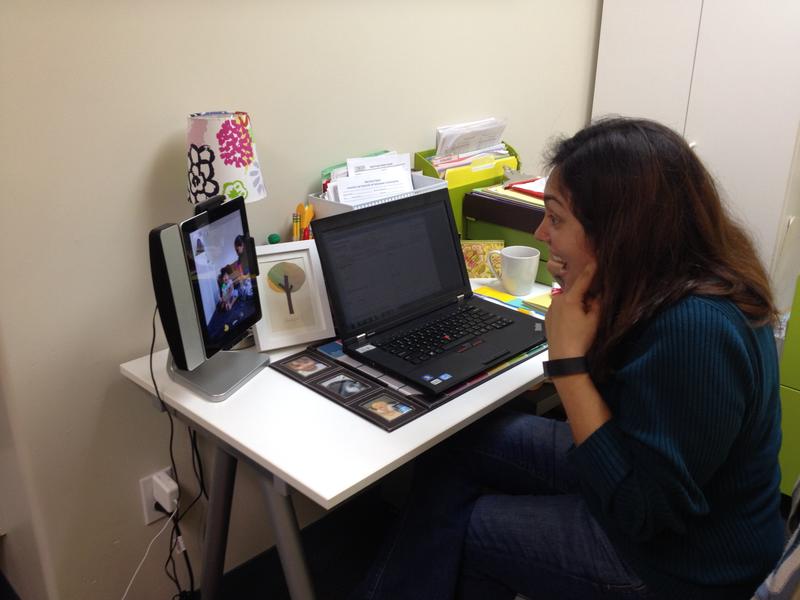
Online Therapy vs In-Person Therapy
Modern technology has expanded access to therapy through online platforms. Both formats can be effective, depending on personal preference and circumstances.
Online therapy offers:
-
Convenience and flexibility
-
Greater accessibility for remote areas
-
Comfort of attending sessions from home
In-person therapy provides:
-
Face-to-face connection
-
A dedicated physical space for reflection
-
Fewer technological barriers
The best choice is the one that fits your lifestyle and supports consistency.
When Therapy Takes Time
Therapy is a process, not an instant solution. Progress may feel gradual, and some sessions may be emotionally challenging. This is a normal part of growth. Consistency, honesty, and patience often lead to the most meaningful results.
Therapy as a Lifelong Skill
Beyond symptom relief, therapy teaches lifelong skills such as emotional regulation, communication, and self-reflection. These skills continue to support mental health long after sessions end, making therapy an investment in long-term well-being.
Frequently Asked Questions (FAQs)
Is therapy only for people with serious mental health conditions?
No. Therapy is beneficial for anyone seeking personal growth, emotional clarity, or support during challenging life moments.
How long does therapy usually last?
The duration varies. Some people benefit from a few sessions, while others engage in therapy over months or years depending on their goals.
Can therapy help even if I don’t know what’s wrong?
Yes. Therapy can help clarify confusing emotions or patterns even when the issue is not clearly defined.
Is everything I say in therapy confidential?
Yes, confidentiality is a core principle of therapy, with limited exceptions related to safety and legal requirements.
What if I don’t feel comfortable with my therapist?
It’s okay to discuss concerns or seek a different therapist. A good therapeutic fit is essential for progress.
Can therapy be combined with medication?
Yes. Therapy and medication often work together effectively, especially for conditions like anxiety or depression.
How do I know if therapy is working?
Positive signs include increased self-awareness, improved coping, healthier relationships, and a greater sense of emotional balance.