Portion Control Strategies for Healthier Eating Without Calorie Counting
Portion control is one of the most effective ways to eat healthier without tracking numbers or feeling restricted. Instead of obsessing over calories, focusing on how much and how you eat helps build sustainable habits that support weight management, digestion, and overall well-being.
The strategies below are practical, realistic, and easy to apply in everyday life.
Understand What Portion Control Really Means
Portion control isn’t about eating less food—it’s about eating the right amount for your body’s needs. Oversized portions can quietly lead to overeating, even when food choices are healthy.
By becoming aware of portion sizes, you naturally improve balance without sacrificing enjoyment.
Use the Plate Method for Balanced Meals
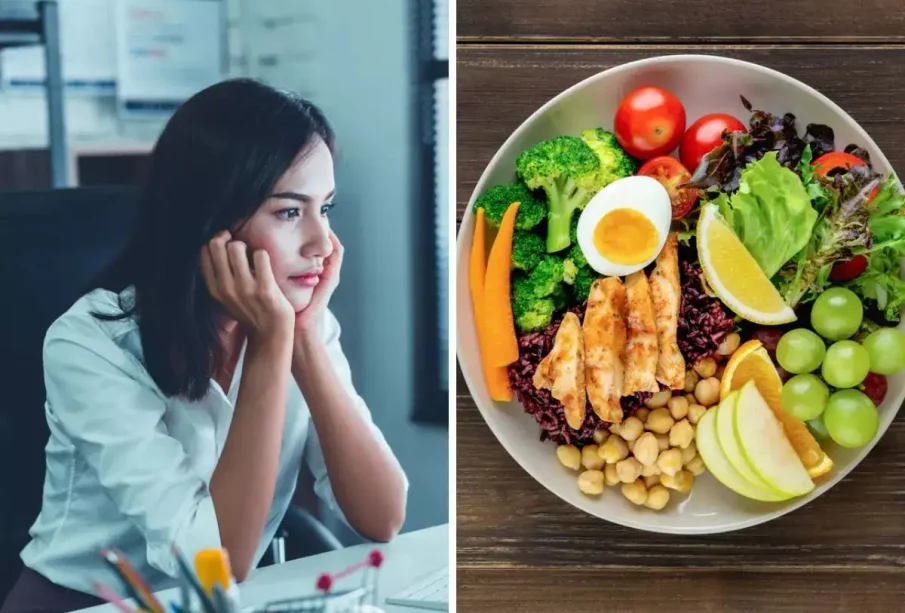
The plate method is a simple visual tool that removes guesswork.
How to build your plate:
-
Half the plate: Non-starchy vegetables and fruits
-
One-quarter: Lean protein (fish, eggs, chicken, legumes)
-
One-quarter: Whole grains or starchy vegetables
-
Add small amounts: Healthy fats like olive oil, nuts, or seeds
This approach promotes fullness and steady energy levels.
Choose Smaller Plates and Bowls
Plate size plays a powerful psychological role in how much we eat.
Why it works:
-
Smaller plates make portions look more satisfying
-
Reduces the urge to over-serve
-
Encourages mindful eating
Switching to smaller dishware is a simple change with long-term benefits.
Learn Hand-Based Portion Estimates
Your hands are an easy, portable guide for portion sizes.
Hand portion guide:
-
Palm: Protein
-
Fist: Vegetables
-
Cupped hand: Carbohydrates
-
Thumb: Healthy fats
This method adapts naturally to your body size and activity level.
Eat Slowly and Without Distractions
Eating too fast often leads to overeating because the body doesn’t register fullness in time.
Build mindful eating habits:
-
Chew food thoroughly
-
Put utensils down between bites
-
Avoid phones and TV during meals
-
Pause halfway through to assess fullness
Slowing down improves digestion and satisfaction.
Serve Once, Then Pause
Instead of eating straight from large containers or going back for seconds immediately, try this approach:
-
Serve a reasonable portion
-
Finish your meal
-
Wait 10–15 minutes
-
Decide if you’re truly still hungry
Often, the feeling of fullness appears after a short pause.
Balance High-Calorie Foods With Volume Foods
You don’t need to eliminate higher-calorie foods—just balance them.
Smart combinations include:
-
Pasta with plenty of vegetables
-
Rice paired with lean protein and salad
-
Cheese added in small amounts to veggie-rich dishes
High-volume, low-calorie foods increase satisfaction without excess.
Snack With Intention
Mindless snacking can easily exceed hunger needs.
Better snacking strategies:
-
Portion snacks into bowls instead of eating from the bag
-
Pair protein with fiber (apple with nuts, yogurt with berries)
-
Eat snacks seated, not on the go
Intentional snacking supports appetite control.
Frequently Asked Questions
Can portion control work without counting calories?
Yes. Portion control focuses on awareness and balance, helping regulate intake naturally without tracking numbers.
How do I know when I’m eating enough?
Feeling comfortably satisfied—not stuffed—and having steady energy after meals are good indicators.
Is portion control suitable for all diets?
Yes. Portion control works with any eating style, including plant-based, low-carb, or traditional diets.
What if I feel hungry after portioned meals?
Hunger may signal low protein, fiber, or hydration. Adjust food quality rather than increasing portion size immediately.
Do restaurant portions affect eating habits?
Yes. Restaurant servings are often larger than needed, which can distort portion perception over time.
How long does it take to adjust to smaller portions?
Most people adapt within one to two weeks as hunger hormones and habits adjust.
Is portion control better than restrictive dieting?
For many people, yes. Portion control encourages sustainability, flexibility, and a healthier relationship with food.